
Sleep
Cool,
Save the Planet.
Space heating accounts for 64% of Canadian home energy use. By programming your thermostat to lower at night, you save money, sleep better, and fight climate change all at once.
Most homes actually already have a programmable thermostat, however most families just don't know how to use it. We're changing that.
Why Does Heating Matter So Much?
Canada's climate means it takes a lot of energy to keep homes warm, especially during our long winters. That energy use has a real cost, to our wallets and the planet.
Natural Gas Emissions
Most Canadian homes rely on natural gas for heat. Burning it releases CO₂ and methane, potent greenhouse gases that drive climate change and worsen air quality.
Wasted Energy
A lot of homes use more heat than they actually need, especially overnight. Across millions of homes, that wasted energy adds up fast.
Air Quality Effects
Emissions from heating systems contribute to local air pollution, which can affect respiratory health and overall air quality in communities.
Our Solution
Program Your Thermostat. Save Energy. Sleep Better.
Most homes already have programmable thermostats, but many people don't know how to use them. Configure your thermostat to lower the temperature at night by just a few degrees, and you can save energy, reduce emissions, and even improve your sleep quality. One or two degrees really makes a difference. We're educating Canadian families on how to do exactly this.
2-10%
annual heating savings
by using thermostat scheduling
Lower Energy Bills
Using a simple overnight schedule can reduce heating costs and save energy.
Improve Sleep Quality
A cooler room can help you fall asleep faster and improve comfort throughout the night.
Small Change, Big Impact
The amount of energy it takes to raise the temperature of a house increases exponentially. Small temperature changes really make a difference. If every household made this simple change, the collective reduction in energy use would be massive.
Statistics
of home energy use in Canada goes to space heating
Source: Natural Resources Canada
Canadian homes already have programmable thermostats
Source: Statistics Canada
average yearly savings from smarter heating schedules per household
Source: Hydro One / Enbridge estimates
overnight temperature setback that can cut heating use by up to 5%
Source: Natural Resources Canada
of CO₂ emissions could be reduced annually with optimized home heating
Source: Canadian Climate Institute
recommended indoor range for sleep comfort and energy efficiency
Source: Sleep Foundation / EPA
Common Thermostat Models
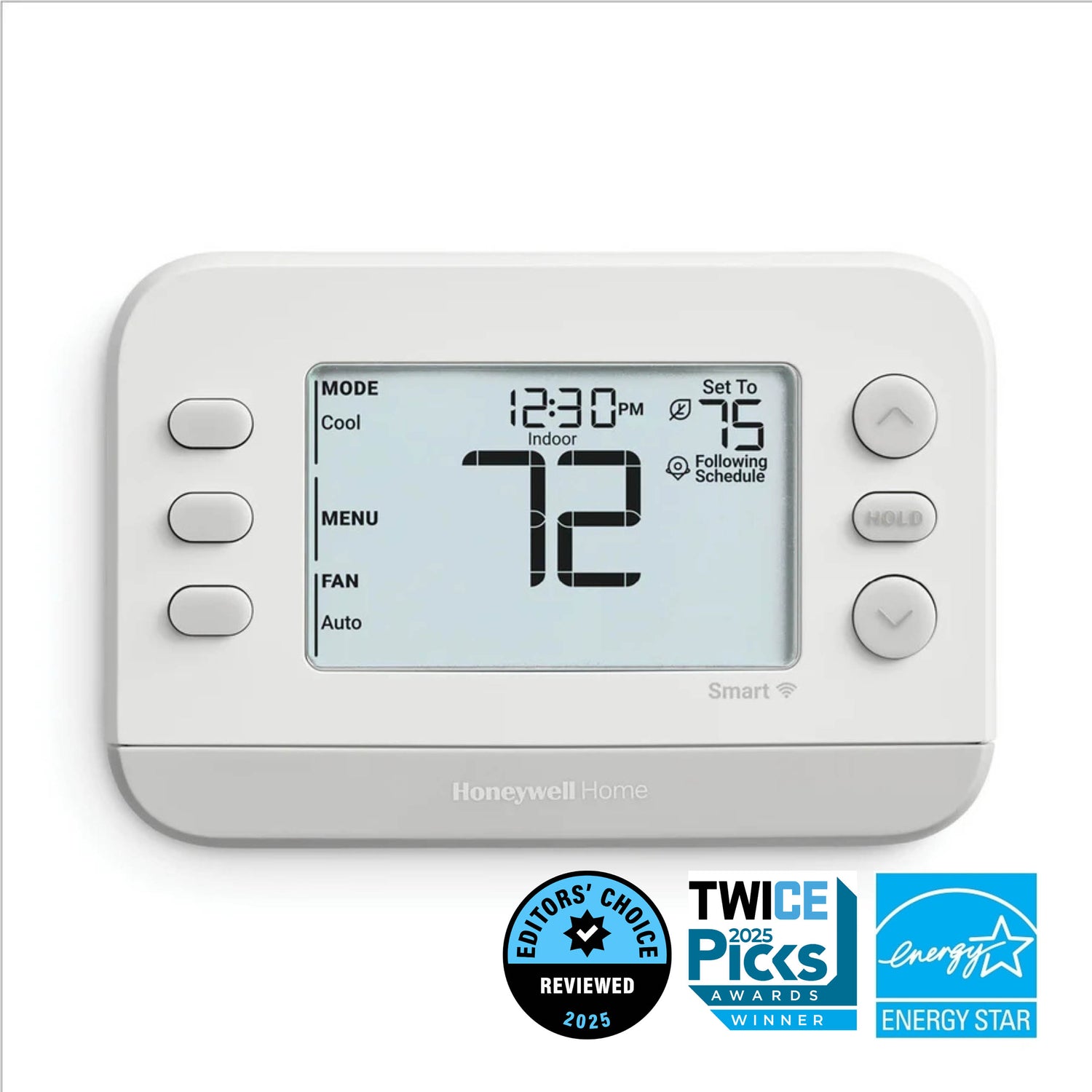
Honeywell
X2S Smart Thermostat
Reliable no-frills programmable thermostat. No app or smart features—ideal for basic energy savings.

Google Nest
Nest Learning Thermostat (4th Gen)
The most polished learning thermostat. Automatically adapts to your routine and optimizes energy use.

Ecobee
Smart Thermostat Premium
Best at balancing temperatures across rooms using sensors. Strongest comfort-focused smart thermostat.
Thermostat Savings Calculator
Enter your home details to see exactly how much energy, money, and CO₂ you'd save by programming a nightly setback.
Nightly Schedule
Home Size
Approximate size of your home
Nightly Setback
Degrees lower at night
Hours per Night
How long the lower temp runs
Heating Season
Months per year you use heat
Annual Heating Bill
Your estimated annual heating cost
Nightly Schedule Savings
2.4%
reduction in heating energy
$34
saved per year
118
kg CO₂ avoided
Like planting 6 trees every year
4913
kg CO₂/yr (baseline)
Canada-Wide Potential
If every eligible Canadian home used the same nightly settings:
1.7
megatonnes CO₂/yr avoided
Based on 14 million programmable-thermostat homes in Canada.
Methodology: Based on Natural Resources Canada heating data. Assumes natural gas as primary heat source. Savings vary by insulation, climate zone, and model.
What Is Our Community Doing?
Tell us what action you've taken. We're tracking community impact in real time.
Recent Community Actions
Loading...